Examining Developer Choices in Linking Visual Themes to Prize Pool Dynamics Across Portable Platforms
Ben Klein · Nov 4, 2026
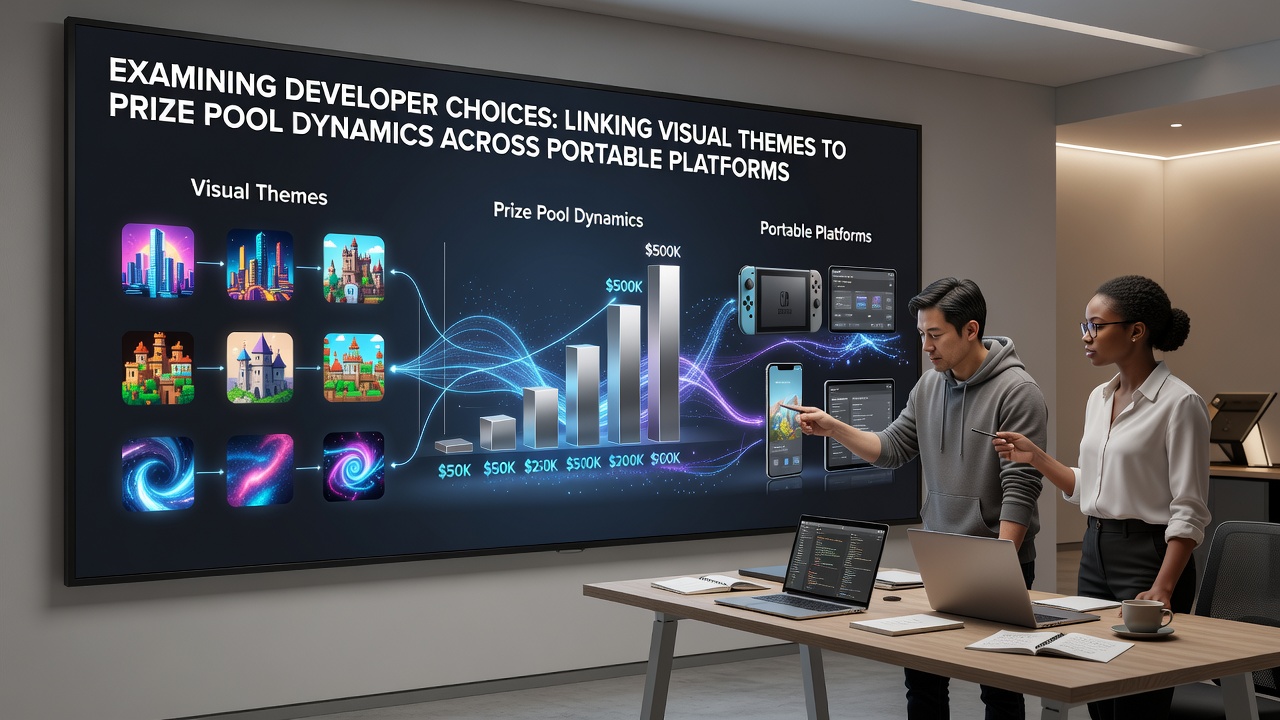
Examining Developer Choices in Linking Visual Themes to Prize Pool Dynamics Across Portable Platforms
Developers working on portable gaming applications frequently examine how visual themes connect to prize pool mechanisms, since these elements shape user engagement patterns and revenue models across smartphones and tablets. Research indicates that theme selection begins with market analysis, where teams review demographic data and regional preferences before mapping aesthetic choices to reward structures that adjust based on player activity levels.
Theme Selection Processes in Mobile Development
Teams evaluate cultural symbols, color palettes, and narrative elements during initial planning phases, then align those choices with algorithms that control prize pool growth and distribution rates. Data from industry reports shows that developers test multiple theme variants in beta environments to measure how specific visuals influence deposit frequency and session duration on devices running iOS and Android systems.
According to findings released by the Canadian Gaming Association, mobile titles released between 2024 and 2026 demonstrated measurable correlations between thematic consistency and prize pool visibility features, with developers adjusting payout frequencies to match visual intensity levels. Those who studied this process note that integration occurs through backend systems that scale jackpot meters in real time as players interact with themed assets.
Technical Integration of Visuals and Reward Systems
Engineers implement modular code frameworks that allow visual assets to trigger prize pool updates without requiring full application rebuilds, a practice that gained traction after several studios adopted cross-platform tools in late 2025. This approach lets designers swap theme elements while preserving the mathematical models that govern pool accumulation, thereby reducing development cycles across different portable hardware configurations.
Figures from a European Gaming and Betting Association analysis reveal that titles launched in early 2026 incorporated dynamic lighting and animation layers tied directly to prize thresholds, creating visual feedback loops that respond to collective player contributions. Observers note these systems often rely on cloud-based servers to synchronize pool values instantly between users in separate geographic regions.

Regional Adaptations and November 2026 Trends
Studios preparing content for November 2026 releases have incorporated localized visual motifs that reflect seasonal events while recalibrating prize pool multipliers to suit regulatory environments in multiple jurisdictions. Developers test these adaptations on various screen sizes and processor capabilities to maintain consistent performance, since portable platforms vary widely in rendering speed and battery efficiency.
Studies published through academic channels such as the Journal of Gambling Studies have tracked how thematic audio cues and particle effects coincide with prize announcements, producing measurable shifts in user retention metrics during limited-time events. Teams apply these insights by adjusting theme saturation levels so that higher-value pools receive more prominent visual treatment without overwhelming lower-tier reward displays.
Challenges in Cross-Platform Prize Synchronization
Portable device fragmentation presents ongoing obstacles, as developers must ensure theme-to-pool linkages function identically whether users access titles through native applications or browser-based versions. Data indicates that synchronization errors occur most frequently during peak traffic periods, prompting teams to deploy redundant server architectures that prioritize visual and reward data streams separately.
Industry organizations have documented cases where mismatched theme updates led to temporary prize pool display discrepancies, prompting revised testing protocols that now include automated visual regression checks before each deployment cycle. Those who've examined these workflows emphasize the importance of maintaining separate asset pipelines for themes and mathematical reward engines to prevent unintended interactions.
Future Directions for Developer Practices
Emerging tools allow greater automation in linking visual themes to prize pool parameters, with machine learning models predicting optimal combinations based on historical performance across similar portable titles. Developers continue refining these methods as new hardware enters the market, ensuring that theme and reward connections remain responsive to evolving player behaviors and device capabilities.
Conclusion
Developer decisions around visual themes and prize pool dynamics on portable platforms reflect a balance between creative asset production and technical reward modeling, supported by ongoing data collection and regional compliance checks. Continued examination of these linkages provides insight into how mobile gaming applications maintain structural integrity while adapting to diverse user environments through 2026 and beyond.